


Introduction
Tracking form submissions is critical for measuring lead generation performance and optimizing your Google Ads campaigns. If you are using WPForms on your WordPress website, you can track form submissions using Google Tag Manager (GTM) and send them as Google Ads conversions.
In this guide, I’ll show you how to set up WPForms conversion tracking for Google Ads using a data layer listener script, configure GTM triggers and tags, and verify everything step by step.
Why Should We Track WPForms Submissions in Google Ads?
Tracking WPForms submissions in Google Ads allows you to:
Measure real lead performance from paid ads
Optimize campaigns based on actual conversions
Improve Smart Bidding accuracy (Maximize Conversions / tCPA)
Attribute form submissions to keywords, ads, and audiences
Reduce wasted ad spend
Prerequisites
Before starting, make sure you have:
-
A WordPress website with WPForms installed
-
Google Tag Manager (GTM) installed on your website
-
A Google Ads account with conversion tracking access
-
WPForms AJAX submission enabled
 Need Help with WPForms Tracking?
If you need the data layer script, full GTM setup, or troubleshooting help, I can assist you.
 Hire Me for Setup: WhatsApp Me Book a Consultation: Schedule a Call
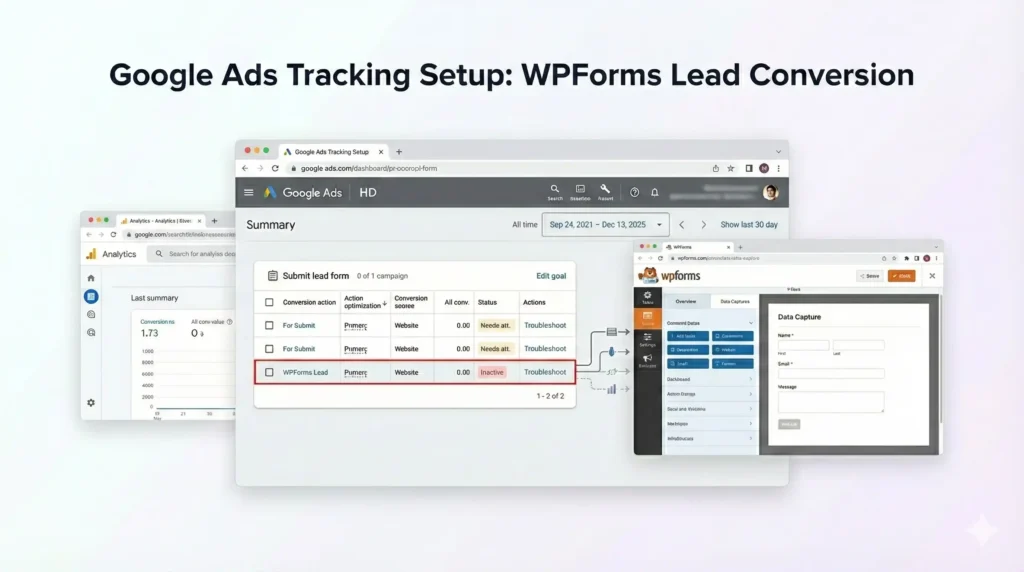
Step 1: Create a Google Ads Conversion Action
Go to Google Ads → Tools & Settings → Conversions
Click New conversion action
Select Website
Category: Submit lead form
Conversion name:
WPForms LeadValue: Use the same value for each conversion (or your preference)
Count: One
Attribution model: Data-driven (recommended)
Save and continue
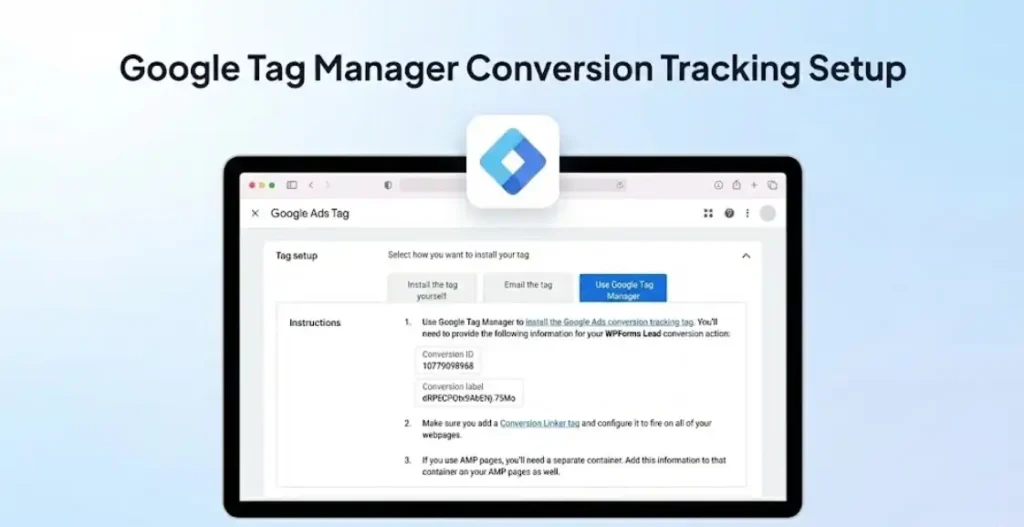
📌 Copy and keep:
Conversion ID
Conversion Label
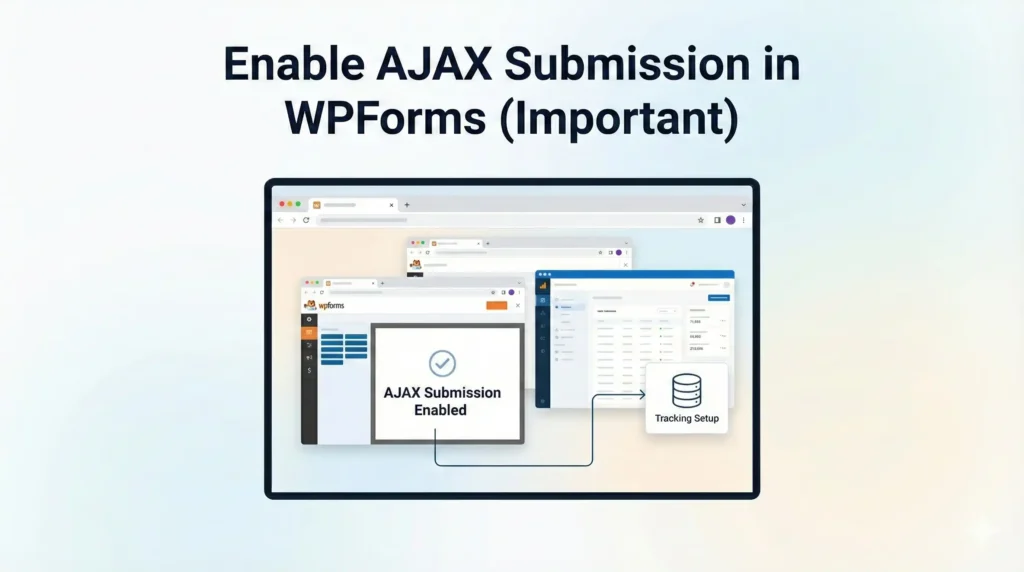
Step 2: Enable AJAX Submission in WPForms (Important)
Go to WPForms → Edit Form
Navigate to Settings → General
Enable Submit button processing via AJAX
Save the form
This ensures the form submits without page reload and allows accurate event tracking.
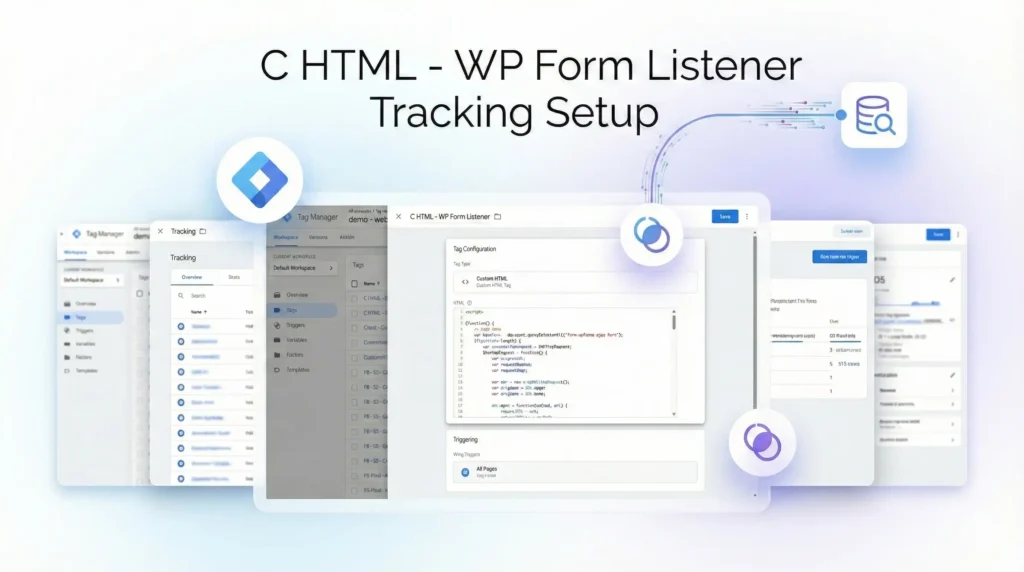
Step 3: Add the WPForms Data Layer Listener Using GTM
To track WPForms submissions, we use a listener script that pushes an event into the dataLayer when a form is successfully submitted.
WPForms Listener Code
Add this code via a Custom HTML Tag in GTM:
How to Add in GTM
Log in to Google Tag Manager
Go to Tags → New
Name the tag:
WPForms Data Layer ScriptTag Type: Custom HTML
Paste the listener code
Trigger: All Pages
Save the tag
Step 4: Create a Custom Event Trigger in GTM
Go to Triggers → New
Name:
WPForms SubmissionTrigger Type: Custom Event
Event Name:
wpforms_submissionTrigger fires on: All Custom Events
Save
📌 (Optional) You can later filter by formID if you want to track a specific form only.

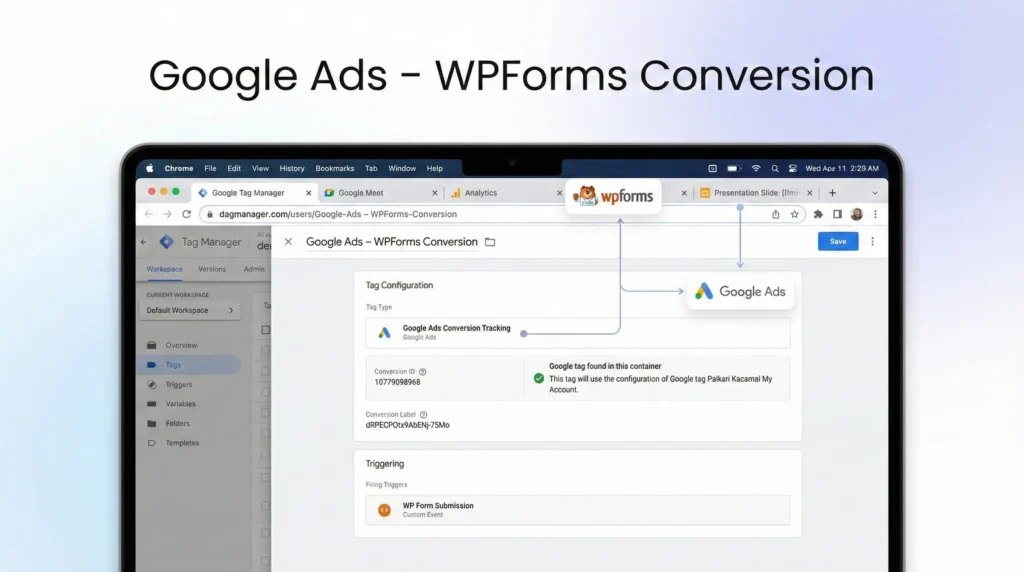
Step 5: Create a Google Ads Conversion Tag in GTM
Go to Tags → New
Name:
Google Ads – WPForms ConversionTag Type: Google Ads Conversion Tracking
Enter:
Conversion ID
Conversion Label
Trigger: WPForms Submission
Save the tag
Step 6: Add Conversion Linker Tag (Required)
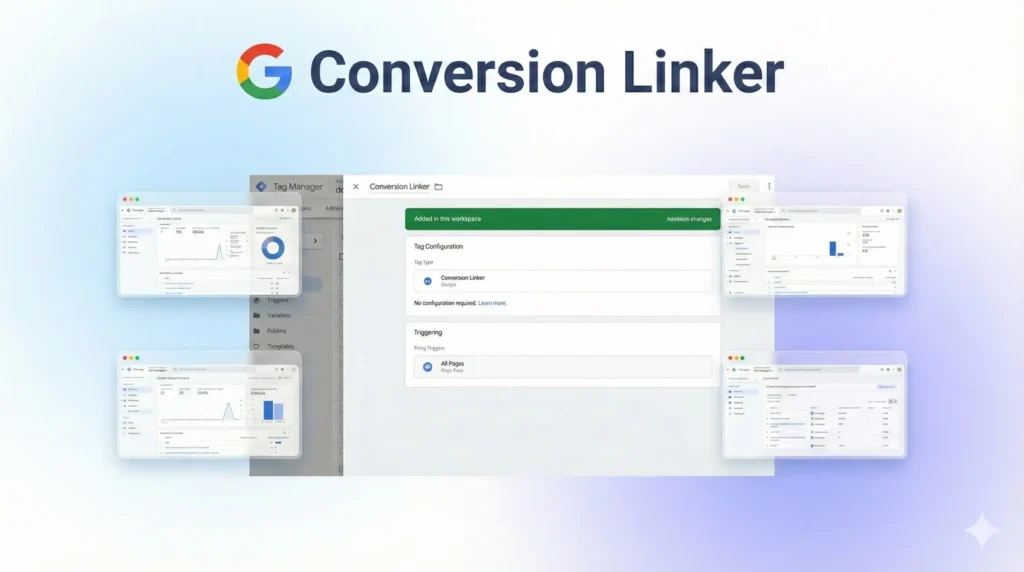
Go to Tags → New
Name:
Conversion LinkerTag Type: Conversion Linker
Trigger: All Pages
Save
This ensures proper attribution for Google Ads conversions.
Step 7: Test the Setup in GTM
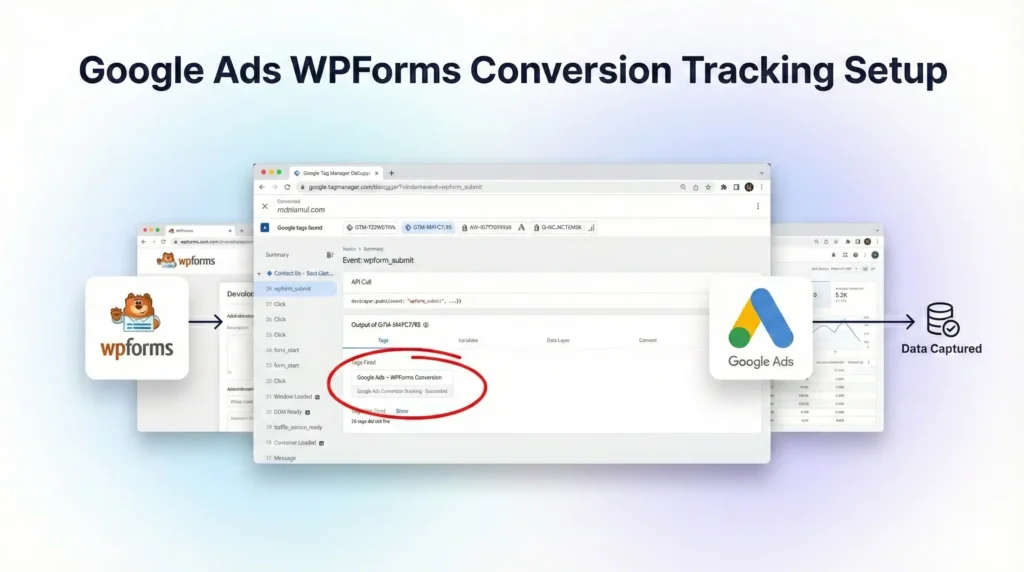
Click Preview in GTM
Enter your website URL
Submit a WPForms test form
In Tag Assistant, verify:
Event
wpforms_submissionappearsGoogle Ads Conversion tag fires successfully
Step 8: Publish the GTM Container
If everything works correctly:
Click Submit in GTM
Add a version name and description
Click Publish
Step 9: Verify Conversion in Google Ads
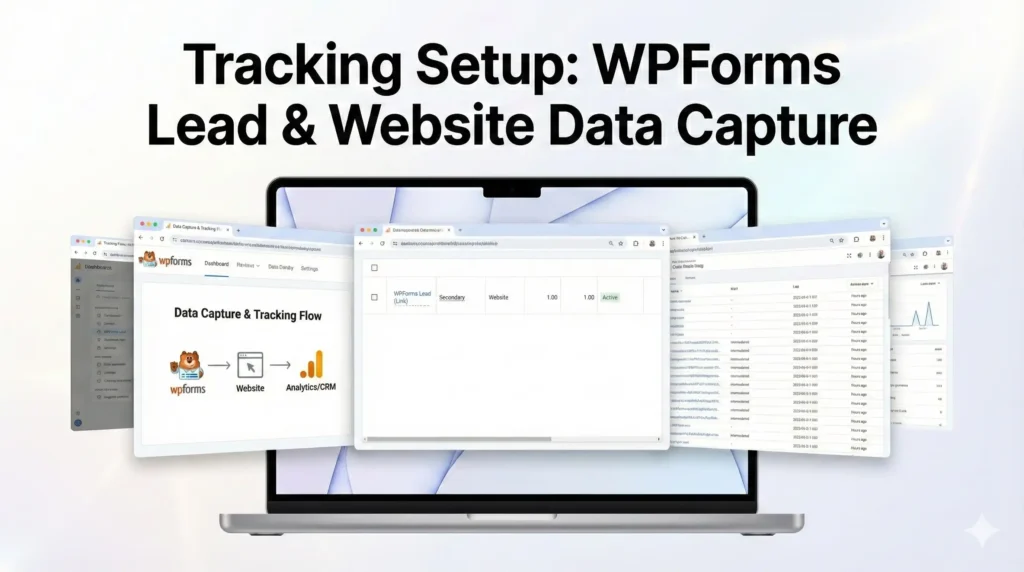
Go to Tools & Settings → Conversions
Open your
WPForms LeadconversionStatus will change to Recording conversions within a few hours
Conclusion
You’ve successfully set up WPForms submission tracking for Google Ads using Google Tag Manager. This setup allows you to accurately measure leads, optimize bidding strategies, and improve campaign performance.


2 Responses
very helpfull post! thank you so much
Thank you so much